

Summarize this article with AI
Starting a business requires complying with various legal and administrative procedures, one of the most important of which is Social Security Registration in Turkey.
Turkey has a well-structured social security system, managed by the Social Security Institution (SGK), which is responsible for providing health insurance, pensions, and unemployment benefits to workers.
Social security registration is a critical step for businesses operating in Turkey, as it ensures compliance with labor laws and enables employees to access social benefits.
This comprehensive guide will walk you through the process, requirements, and obligations related to Social Security Registration for Businesses in Turkey.

Social security registration is required for all businesses that hire employees, including:
All employees, including full-time, part-time, and temporary workers, must be registered under the Turkish social security system.
Turkey’s social security system is governed by the Social Insurance and General Health Insurance Law No. 5510, which covers:
The SGK (Sosyal Güvenlik Kurumu) is responsible for administering these services and ensuring that both employees and employers comply with their obligations.
Need you more info? Click the link of Turkish Social Security System
To register a business with the Social Security Institution (SGK), the following steps should be followed:
Before registering for social security, the business must be officially established. This involves registering the company with the Trade Registry and obtaining a tax number from the Turkish Revenue Administration.
Once the business is established, the employer must apply to the SGK to obtain an employer registration number. This number is unique to each employer and is used to track social security contributions.
After receiving the employer registration number, each employee must be registered with the SGK. The employer is responsible for completing this process. The registration must be completed before the employee starts working, and the following documents are typically required:
Employers are required to submit monthly social security premium declarations to the SGK. These declarations detail the wages paid to employees and the social security contributions for each worker.
Both employers and employees are required to make social security contributions. Additionally, the state contributes 1% to unemployment insurance.The contributions are based on the employee’s gross salary, and the rates are as follows:
These contributions cover the employee’s pension, health insurance, unemployment insurance, and other social benefits.
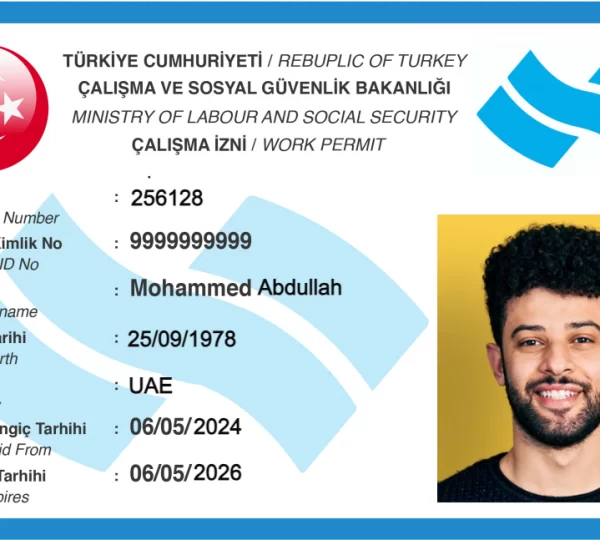
Foreign nationals employed in Turkey must also be registered with the SGK, but there are some additional steps:
If you need much more info about work permit for Turkey, Click the link of How to Get Working Visa in Turkey
In addition to registration and contribution payments, employers have several other obligations:
Workplace Notification: Employers must notify the SGK of any new workplace establishment within 10 days of its opening.
Employee Registration and Termination: Employers must register employees with the SGK before they start working and notify the SGK when an employee is terminated or leaves the company.
Accident Reporting: Employers must report workplace accidents to the SGK within three days of the incident.
Record Keeping: Employers must maintain accurate payroll records and employment contracts to ensure compliance with SGK regulations.
Non-compliance with social security obligations can result in severe penalties, including:
Employers can also face audits from the SGK, and discrepancies in contributions or employee registrations may lead to additional fines and back payments.
The Turkish government offers several incentives to encourage social security compliance and promote employment. These include:
Employers should consult with SGK advisors or a Turkish CPA to determine if they qualify for any of these incentives.
Need more detail? Click the link Tax & Social Security Incentives in Turkey
Social security registration is an essential component of running a business in Turkey. By registering with the SGK and ensuring timely contributions, businesses not only comply with Turkish law but also provide their employees with access to valuable social benefits.
Given the complexity of the system, it is advisable for businesses to work with Turkish Financial Advisors to ensure all social security obligations are met effectively and on time.
A&M Consulting Co. as a Turkish Social Security Consulting Firm specializes on end to o end performing Social Security Consulting Services for particularly foreign investors and corporate companies in Turkey.
We continue to be by the side of global companies and employers with our experts with SGK background to facilitate their adaptation processes to the Turkish Social Security system and to help them receive the best social security services in Turkey.
DISCOVER OUR SERVICES:
You can reach out to our experienced consultans via email or by filling out the Contact Form on our website’s contact page
Social security registration is the process where businesses register with the Social Security Institution (SGK) to provide employees with health insurance, pensions, and other benefits.
Yes, all businesses hiring employees in Turkey must register with the SGK to ensure compliance with labor laws.
Documents typically include the company’s registration certificate, tax number, and ID card of employee’s.
Employees must be registered with SGK before they start working. Failure to do so can result in penalties.
Employers contribute 20.5%–22.5% of the employee’s gross salary, while employees contribute 15%.
Yes, foreign employees must be registered with SGK after they get Work Permit, but they may be exempt of registration if their country has a bilateral social security agreement with Turkey.
Failure to register can lead to fines, penalties, and legal action from the Ministry of Labor.
Yes, Turkey offers incentives such as discounts on social security premiums for certain groups like women, youth, and disabled individuals.
Employers must notify the SGK in 10 days when an employee leaves the company.
Yes, businesses in underdeveloped areas or specific industries may receive temporary reductions or regional incentives on employer contributions.
Recent Posts


WhatsApp Us