

Summarize this article with AI
Turkey is an emerging market offering significant opportunities for local and foreign entrepreneurs. From its strategic geographic location to its growing economy, Turkey is a prime destination for establishing a business. However, like any other country, operating a business in Turkey requires legal formalities, including obtaining the necessary business licenses. This article provides a comprehensive guide on how to get a Business License in Turkey, the requirements, costs, and the overall process to ensure you can start your business legally and efficiently.
A business license is a legal document that grants the holder permission to operate a business within a certain jurisdiction. In Turkey, having the proper licenses is crucial for a business to function legally. Without the correct license, a company may face penalties, legal action, or even closure.

Before applying for a business license, it’s essential to understand the different types of business structures you can establish in Turkey. The most common business types are:
Each type has its own set of requirements and regulations, so it’s important to select the one that best suits your business objectives.
For more detail click the link of Business Entities in Turkey
Obtaining a business license in Turkey is relatively straightforward but requires meeting certain legal, financial, and procedural requirements. These include:
Before you can apply for a business license, you must first register your company with the Turkish Trade Registry. This includes selecting the company name, drafting articles of association, and submitting the necessary documents. Company registration is essential because it legally establishes the business entity.
After registering your business, you’ll need to register for tax purposes with the local tax office. This includes obtaining a tax identification number, which is mandatory for all businesses operating in Turkey.
After your business is tax registered, you will need to register with your local SGK office for your employees’ social security. This includes obtaining an SGK ID number, which is mandatory for all businesses operating in Turkey.
Depending on the nature of your business, you may also be required to register with the local Chamber of Commerce. This is particularly relevant for industries like trade, construction, and tourism.
Some industries in Turkey require additional permits beyond the standard business license. For example:
Here’s a step-by-step guide to obtaining a business license in Turkey:
Company Registration:
Tax Office Registration:
Chamber of Commerce Registration:
Obtain Special Licenses/Permits:
Municipal Licensing:
Social Security Registration:
Receive Business License:
The costs associated with obtaining a business license in Turkey vary depending on the type of business and the sector in which you operate. Typical costs include:
The entire process of obtaining a business license in Turkey usually takes between 1 and 3 months, depending on the complexity of the business structure and the industry. Some specialized permits can extend this timeline, particularly if additional regulatory approvals are needed.
Obtaining a business license in Turkey is a critical step for anyone looking to start a business in this thriving market. While the process involves navigating several legal and administrative procedures, understanding the requirements and following the correct steps can make the process smoother.
Whether you are a local entrepreneur or a foreign investor, ensuring you have the right licenses will help you operate legally, avoid penalties, and position your business for success in Turkey.
A&M Consulting Co. is a business management consulting firm specialized in providing end-to-end Trade License Services in Turkey for especially global investor and foreign entrepreneurs which wants to walk into to Turkey’s market
We continue to offer cost-effective trade license services to global companies and individual entrepreneurs who want to enter the Turkish market smoothly and quickly, to ensure their full compliance with local legislation and to facilitate their access to tax exemptions and incentives.
DISCOVER OUR SERVICES:
You can reach out to our experienced consultans via email or by filling out the Contact Form on our website’s contact page
A business license is a legal document that authorizes a company to operate a business within Turkey’s jurisdiction. It ensures compliance with local laws and regulations.
Any individual or entity, whether local or foreign, planning to start a business in Turkey needs a business license to operate legally.
All business types, including Sole Proprietorships, Limited Liability Companies (LLCs), Joint Stock Companies (JSCs), Branch Offices, and Liaison Offices, require a business license.
Key steps include:
Yes, certain industries such as construction, food and beverage, tourism, and import/export require additional permits or licenses beyond the general business license.
The process typically takes between 1 to 3 months, depending on the business structure and industry. Specialized licenses may extend this timeframe.
Costs vary depending on the business type and sector. Company registration fees range from $250 to $5,000, while industry-specific permits may add to the total cost.
Commonly required documents include:
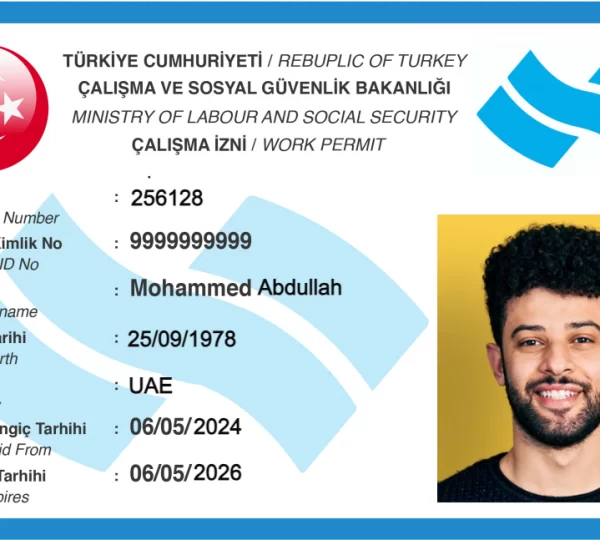
Foreign entrepreneurs must follow the same general steps as locals but may need additional approvals, such as work permits or residence permits, depending on their business type and nationality.
Not all businesses are required to register with the Chamber of Commerce, but businesses in sectors such as trade, construction, and tourism are required to do so.
Yes, a business license can be revoked if the business violates Turkish laws, fails to comply with regulatory requirements, or engages in illegal activities.
Yes, licensed businesses in Turkey may qualify for tax incentives, such as VAT exemptions, corporate tax reductions, and other government-provided incentives depending on the sector.
Depending on the business type and industry, some licenses may need to be renewed annually, while others may be valid for the lifetime of the business.
Yes, if you plan to operate in multiple locations, you may need to apply for a separate business license or additional permits for each location.
Business licenses in Turkey are generally not transferable. A new license application may be required if the business changes ownership.
Recent Posts


WhatsApp Us