
A&M Consulting Co.

90 / 100 SEO Score

Business Registration in Turkey

Business Registration in Turkey - For Foreign Investors - 2026

Turkey is a strategic hub connecting Europe, Asia, and the Middle East, making it an attractive destination for foreign entrepreneurs and international companies. Understanding the business registration process in Turkey, along with banking, licensing, and work permit requirements, is essential for a smooth market entry.

This guide provides a comprehensive overview of business registration in Turkey, post-registration obligations, and key legal considerations.

Table of Contents
Business Registration in Turkey

Why Register a Business in Turkey?

Turkey offers a strategic, cost-efficient, and legally accessible environment for foreign entrepreneurs, startups, and international companies.

  • 100% Foreign Ownership Allowed: Foreign investors can fully own Turkish companies without a local partner, enjoying equal legal treatment with Turkish nationals.

  • Strategic Gateway to Key Markets: Turkey serves as a natural bridge to the EU, Middle Eastern, and Central Asian markets, enabling regional and cross-border expansion.

  • Rapid Business Registration Process: Company incorporation can be completed as fast as 1 business day for certain entity types when documentation is ready.

  • Work Permit Eligibility for Foreign Owners:Foreign shareholders and directors can apply for work permits through LLC and JSC structures, allowing legal management and operation.

  • Competitive Operating and Labor Costs: Lower operational expenses compared to many EU countries make Turkey attractive for SMEs and scale-ups.

  • Access to Corporate Banking and Trade: Registered businesses can open corporate bank accounts, conduct international transactions, and engage in import-export activities.
  • Strong Digital and Online Business Environment: With 85% internet penetration, Turkey provides fertile ground for e-commerce, SaaS, fintech, and digital services.
  • Investment Incentives and Growth Potential: Turkey offers investment incentives, export supports, and sector-specific advantages for qualifying businesses.
  • Large and Dynamic Domestic Market: A young population and strong consumer demand support long-term business growth and scalability.

Types of Business Entities in Turkey

Foreign investors can establish several types of business structures in Turkey. The most common are:

Limited Liability Company (LLC – Ltd. Şti.)

  • Minimum one shareholder (individual or legal entity)

  • Minimum capital: TRY 50,000

  • Most preferred structure for foreign founders

  • Eligible for work permit applications

Joint Stock Company (JSC – A.Ş.)

  • Suitable for larger investments and public offerings

  • Minimum capital: TRY 250,000

  • Eligible for work permit applications

  • Preferred for regulated or large-scale operations

Sole Proprietorship

  • Faster and simpler setup

  • Commonly used by Turkish citizens

  • Not suitable for foreign nationals seeking work permits

Branch Office

An extension of a foreign parent company.

  • No separate legal personality

  • Parent company bears full liability

  • Suitable for companies already operating abroad

Liaison Office

Used strictly for non-commercial activities.

  • Market research and representation only

  • No income generation

  • Requires Ministry of Industry and Technology approval
Step-by-Step Business Registration Process in Turkey

Step 1: Choose Company Type and Structure

Determine the legal form, shareholding, management, and activity scope.

Step 2: Prepare Articles of Association

Prepared in compliance with the Turkish Commercial Code, defining:

  • Company title and address

  • Business activities

  • Capital structure

  • Directors and management authorityStep 3: Obtain Tax Identification Numbers

Tax numbers are required for:

  • The company

  • Foreign shareholders

  • Foreign directors

Step 4: Capital Deposit (If Required)

For Joint Stock Companies, part of the capital must be deposited into a Turkish bank before registration.

Step 5: Trade Registry Registration

Registration is completed through the MERSIS system with the Trade Registry Office. Upon approval:

  • The company acquires legal personality

  • Registration is published in the Trade Registry Gazette

Step 6: Tax Office and Social Security Registration

After incorporation:

  • Corporate tax and VAT registration

  • Social Security registration (if employees are hired)

Step 7: Open a Business Bank Account

A corporate bank account is mandatory for:

  • Capital transfers

  • Tax payments

  • Payroll and supplier transactions

Foreign-owned companies are subject to enhanced KYC and AML procedures.

 

Documents Required for Business Registration in Turkey

The documents required for business registration in Turkey may vary slightly depending on the company type (LLC or JSC) and whether the shareholders are individuals or legal entities. However, the core requirements are as follows:

1. Documents for Individual Foreign Shareholders
  • Passport copy (notarized and translated into Turkish)

  • Tax identification number (issued in Turkey)

  • Address information (residential address abroad)

  • Passport-sized photographs

  • Signature declaration

2. Documents for Corporate (Legal Entity) Shareholders
  • Certificate of incorporation / trade registry extract

  • Articles of Association of the parent company

  • Board resolution approving the Turkish company setup

  • Authorized signatory documents

  • All documents must be apostilled or legalized and translated into Turkish

3. Company Formation Documents
  • Articles of Association (prepared in Turkish)

  • Company address (lease agreement or virtual office contract)

  • Capital commitment statement for JSC form

  • Tax identification number (issued in Turkey)

  • Trade Registry application forms

  • Power of attorney (for remote incorporation)

The cost and timeline for business registration in Turkey depend on the company type, shareholder structure, and whether the process is handled remotely. Below is a general overview for foreign investors.

Business Registration Timeline:

When documentation is complete, company formation in Turkey is relatively fast:

  • Company incorporation: 1–3 business days

  • Tax registration: Same day or within 1 business day

  • Trade Registry Gazette publication: 1–2 business days

  • Corporate bank account opening: 1–3 business days (bank-dependent)

  • Work permit application (if required): 30–45 days

In some cases, LLC registration can be completed in as fast as 1 business day.

Business Registration Costs in Turkey (Indicative)

Costs vary based on structure and services required, but typical expense categories include:

  • Government & Official Fees
    • Trade Registry registration fees

    • Chamber of Commerce registration

    • Notary and signature circular fees

  • Professional Service Fees
    • Company formation consultancy

    • Legal documentation and filings

    • Tax registration and compliance setup

  • Capital Requirements
    • LLC minimum capital: TRY 50,000

    • JSC minimum capital: TRY 250,000
      (Capital can usually be injected after registration, subject to timelines)

  • Additional Costs (If Applicable)
    • Apostille and document legalization

    • Certified translations

    • Virtual or physical office address

    • Business licenses and sector permits

    • Work permit application fees

Opening a business bank account is a mandatory step after company registration.

Corporate bank accounts are required for:

  • Capital injection

  • Tax and VAT payments

  • Payroll and expense management

  • International trade and transfers

Banks generally require:

  • Trade Registry Gazette

  • Articles of Association

  • Tax certificate

  • Signature circulars

  • Physical presence of authorized signatories

Foreign-owned companies may be subject to enhanced KYC and compliance procedures, making bank selection a strategic decision.

Not all companies require a special license; however, regulated sectors do.

Common examples include:

  • Tourism and travel services

  • Healthcare and medical tourism

  • Education and training

  • Financial and investment services

  • Food, hospitality, and manufacturing

Licensing requirements depend on:

  • NACE activity codes

  • Municipality approvals

  • Relevant ministry permissions

  • Physical office or facility standards

Operating without the necessary business license may result in fines, suspension, or closure.

Work Permit Requirement for Foreign Company Owners

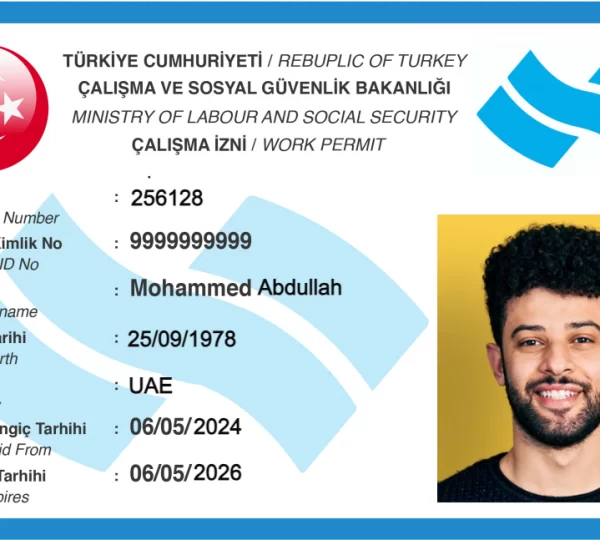
Foreign shareholders or directors who will actively work in the company must obtain a Work Permit.

Key points:

  • Work permits are issued by the Ministry of Labor

  • Applications are linked to LLC or JSC structures only

  • Capital, turnover, and employee thresholds may apply

In practice, this makes LLCs the most practical structure for foreign founders combining company ownership and legal work authorization.

Government Incentives and Support for Businesses in Turkey

Turkey offers a wide range of government incentives to support both domestic and foreign businesses. These incentives are designed to promote investment, innovation, and economic growth across various sectors. By understanding and leveraging these support mechanisms, businesses can significantly reduce operational costs, increase profitability, and access valuable resources. Here’s an overview of the key government incentives and support available for businesses in Turkey.

1- Investment Incentive Programs:

The Turkish government provides several investment incentive programs to attract domestic and foreign investments. These programs vary depending on the size, region, and sector of the investment, and they aim to reduce the financial burden on businesses through tax breaks and other benefits. General incentives apply to all sectors except those specifically excluded (e.g., tobacco, alcoholic beverages). Key benefits include:

    • VAT exemption: No VAT on machinery and equipment purchases.
    • Customs duty exemption: No customs duty for imported machinery and equipment.
    • Tax reduction: Reduced corporate tax rates, varying by region and sector.
    • Social security premium support: The government pays part of the employer’s social security contributions for a specific period.
2- Regional Investment Incentives:

The regional incentive scheme categorizes Turkey into six regions, with less developed areas receiving more substantial support. Businesses investing in underdeveloped regions benefit from:

    • Extended tax reductions
    • Longer social security premium support
    • Land allocation: State land may be allocated for free to certain projects.
    • Interest rate support: For loans used in investment projects.
  • Strategic Investment Incentives: Strategic investment incentives target industries that are critical to reducing Turkey’s current account deficit and improving technological capabilities. Companies investing in strategic sectors like energy, high-tech industries, and defense may receive:
    • VAT and customs duty exemptions
    • Income tax reductions
    • Social security premium support
    • Interest rate support
  • Regional Investment Incentives: The regional incentive scheme categorizes Turkey into six regions, with less developed areas receiving more substantial support. Businesses investing in underdeveloped regions benefit from:
    • Extended tax reductions
    • Longer social security premium support
    • Land allocation: State land may be allocated for free to certain projects.
    • Interest rate support: For loans used in investment projects.
    •  
  • Technology and Innovation Incentives: Turkey places significant importance on technology and innovation, offering incentives to businesses that focus on research and development (R&D) and high-tech industries.
  • R&D and Innovation Support Program: The R&D Law provides several benefits for companies investing in research and development, including:
    • Corporate tax exemption: Up to 100% of income generated by R&D activities can be exempt from corporate tax.
    • Income tax reduction: Personal income tax of R&D employees may be partially or fully exempt.
    • Social security premium support: The government covers part of the employer’s contribution for R&D personnel.
    • Cash grants: Companies may receive direct grants for approved R&D projects.
  • Technopark Incentives: Technoparks in Turkey offer an attractive environment for technology companies and startups. Businesses located in technoparks can benefit from:
    • Tax exemptions: Corporate and income tax exemptions for profits derived from R&D, software development, and technology-related activities.
    • VAT exemption: No VAT on software and R&D-related goods and services.
    • Social security support: Government contributions for social security premiums of employees in R&D projects.
  • Tech Visa Program: Turkey’s Tech Visa Program aims to attract foreign entrepreneurs, software developers, and technology professionals to boost the local tech ecosystem. This initiative supports foreign talent in setting up businesses or working for Turkish tech firms.
  • Export Incentives: To boost international trade, Turkey offers several export incentives for businesses looking to expand into foreign markets.
  • Export Credit and Insurance Programs: Turk Eximbank provides various financial products, including:
    • Export credits: Short-term and long-term loans to support the working capital of exporters.
    • Export insurance: Protection against commercial and political risks for exporters.
    • Interest rate subsidies: Reduced interest rates on loans for companies engaged in exporting.
  • Market Entry Support: The Turkish government offers grants and subsidies to help businesses with:
    • Market research: Support for businesses conducting market studies in foreign countries.
    • Trade fairs: Financial assistance for participation in international trade fairs.
    • Branding and marketing: Grants for promoting Turkish brands in foreign markets.
  • Employment Incentives: To stimulate job creation and reduce unemployment, Turkey provides several employment incentives to businesses that hire local workers.
  • Social Security Premium Support: The government covers part of the social security contributions for newly hired employees, reducing the cost of employment for businesses. The level of support varies by region and sector.
  • Employment Incentives for Women and Youth: Additional incentives are provided to businesses that employ women and young workers (under the age of 29). These include:
    • Social security premium discounts
    • Direct wage support for a defined period
  • On-the-Job Training Programs: Businesses that participate in on-the-job training programs can receive wage support from the government for trainees, as well as other cost reductions related to training and development.
  •  Green and Renewable Energy Incentives: To support sustainable development, Turkey provides incentives to businesses involved in renewable energy, environmental sustainability, and energy efficiency.
  •  Renewable Energy Projects: Companies investing in renewable energy projects, such as solar, wind, or hydropower, may qualify for various incentives, including:
    • VAT and customs duty exemptions on equipment
    • Feed-in tariffs: Guaranteed purchase prices for energy generated from renewable sources.
    • Land allocation: Access to state land for renewable energy projects.
    • Energy Efficiency Grants: Businesses that improve their energy efficiency can apply for:
    • Grants covering a percentage of the costs of energy-saving projects.
    • Low-interest loans to finance energy efficiency investments.
  •  Free Zones: Turkey’s free zones offer an advantageous environment for businesses involved in trade, manufacturing, and service activities. Companies operating in these zones enjoy several benefits:
    • Tax exemptions: No income tax on profits from production activities.
    • Customs exemptions: No customs duties or taxes on goods imported into free zones.
    • VAT exemptions: Exemption from VAT on transactions and activities conducted within the zone.
    • Simplified bureaucracy: Reduced regulatory procedures and fast-track processes.
Challenges in Business Management in Turkey
  • Economic Fluctuations: Turkey’s economy is subject to fluctuations, particularly due to inflation and currency volatility. Business managers must adopt strategies to mitigate financial risks, such as currency hedging and diversifying investments.
  •  Bureaucracy: Although improvements have been made, businesses may still encounter bureaucratic challenges, particularly when dealing with regulatory agencies or acquiring licenses. Engaging a local legal advisor or business consultant can help navigate these obstacles.
  • Cultural Differences:Foreign companies managing businesses in Turkey should be aware of cultural nuances, particularly in terms of communication styles, hierarchy, and negotiation practices. Successful managers adapt their strategies to fit local customs while maintaining global standards.
Get in Touch For Business Registration in Turkey

Business registration in Turkey is not limited to company incorporation alone. Bank account opening, licensing, tax compliance, and work permit eligibility are equally critical for sustainable operations.

For a detailed, step-by-step roadmap covering incorporation, banking, licensing, and post-registration compliance, we recommend referring to our dedicated guide titled “Business Registration in Turkey.”

Effective business management in Turkey requires an understanding of the legal, economic, and cultural landscape.

With its robust economy, strategic location, and diverse market opportunities, Turkey offers immense potential for both local and international businesses.

By adapting to local customs, staying compliant with regulations, and leveraging government incentives, businesses can thrive in this dynamic market.

Whether you are managing a startup or a large corporation, a strategic and informed approach to business management will ensure long-term success in Turkey.

A&M Consulting Co. is a business management consulting firm specialized in providing end-to-end business registration services for especially global investor and foreign entrepreneurs which wants to walk into to Turkey’s market

We continue to offer cost-effective business management solutions to global companies and individual entrepreneurs who want to enter the Turkish market smoothly and quickly, to ensure their full compliance with local legislation and to facilitate their access to tax exemptions and incentives.

DISCOVER OUR SERVICES:

You can reach out to our experienced consultans via email or by filling out the Contact Form on our website’s contact page

FAQs About Business Registration in Turkey

Yes. Foreign individuals and companies can register a business in Turkey with the same rights and obligations as Turkish nationals, subject to sector-specific regulations.

The Limited Liability Company (LLC) is the most preferred structure due to lower capital requirements, operational flexibility, and eligibility for work permits.

No. Work permits are not available for sole proprietorships. Foreign nationals must establish an LLC or Joint Stock Company (JSC) to apply for a work permit.

Yes. A corporate bank account is required for capital injection, tax payments, payroll, and commercial transactions.

Company incorporation is usually completed within 3–7 business days, depending on document readiness and approvals.

No. Only businesses operating in regulated sectors such as tourism, healthcare, education, finance, or food services require additional licenses.

Yes. Foreign shareholders can act as directors; however, a work permit is required if they are actively involved in management or daily operations.

Business registration typically takes 1–3 business days once all documents are ready. In some cases, incorporation can be completed in as fast as 1 business day.

Costs vary depending on company type and services required. They generally include trade registry fees, notary costs, professional service fees, and minimum capital requirements.

Yes. A corporate bank account is mandatory for capital payments, tax compliance, payroll, and commercial transactions.

The Turkish government offers various incentives, including tax reductions, grants, and financial support for businesses, especially in sectors like technology, manufacturing, and renewable energy.

Understanding the local regulations, navigating bureaucratic procedures, and adapting to the cultural and economic landscape are common challenges.

Share:
Facebook
WhatsApp
Twitter
LinkedIn
Email
Recent Posts
Follow us!