

Turkish CPA services play an important role in helping foreign investors and international businesses manage accounting, taxation, payroll, and financial compliance in Turkey. Doing business in Turkey requires more than basic bookkeeping; it requires a qualified professional who understands Turkish accounting standards, tax regulations, social security requirements, and statutory reporting obligations.
A Turkish CPA (Serbest Muhasebeci Mali Müşavir – SMMM) can support businesses with bookkeeping, tax compliance, financial reporting, payroll, social security, e-invoicing, e-ledger requirements, and other statutory obligations. For foreign-owned companies, choosing a CPA with experience in international businesses and cross-border operations can be particularly important.
This guide provides a comprehensive overview of Turkish CPA services in Turkey, including the services CPAs provide, typical costs, how to choose the right CPA, common mistakes to avoid, and the key considerations when changing your CPA.
A Turkish CPA, known in Turkey as a Serbest Muhasebeci Mali Müşavir (SMMM), is a licensed accounting and tax professional who provides accounting, tax compliance, financial reporting, payroll, and other statutory services to businesses and individuals.
For foreign investors and international companies operating in Turkey, a Turkish CPA can play an important role in managing day-to-day accounting requirements and complying with Turkish tax and financial regulations. Depending on the business structure and its specific needs, CPA services may include:
A Turkish CPA can also assist businesses with certain corporate and financial procedures, helping ensure that accounting and tax obligations are handled accurately and on time.
For foreign investors and international businesses, working with a qualified Turkish CPA can make it easier to manage accounting, tax, payroll, and statutory obligations in Turkey. A CPA provides ongoing professional support and helps businesses maintain accurate records, meet reporting deadlines, and respond to changing regulatory requirements.
Businesses operating in Turkey must comply with various accounting, tax, and reporting obligations. A Turkish CPA can help maintain statutory accounting records, prepare required declarations, monitor filing deadlines, and support communication with the relevant authorities.
For businesses with employees, this also includes compliance with Turkish Social Security requirements and payroll-related obligations.
Managing payroll in Turkey involves more than calculating salaries. Employers must properly handle employee registrations, social security contributions, withholding taxes, and periodic declarations.
A Turkish CPA can coordinate payroll accounting and HR and payroll services in Turkey, helping businesses maintain accurate payroll records and meet their statutory obligations.
Turkish companies may need professional support when carrying out General Assembly procedures, preparing financial statements for shareholder approval, and completing certain corporate changes.
Depending on the transaction, businesses may also require support with:
A Turkish CPA can provide accounting and financial support during these processes and coordinate with other professionals where legal or registry procedures are involved.
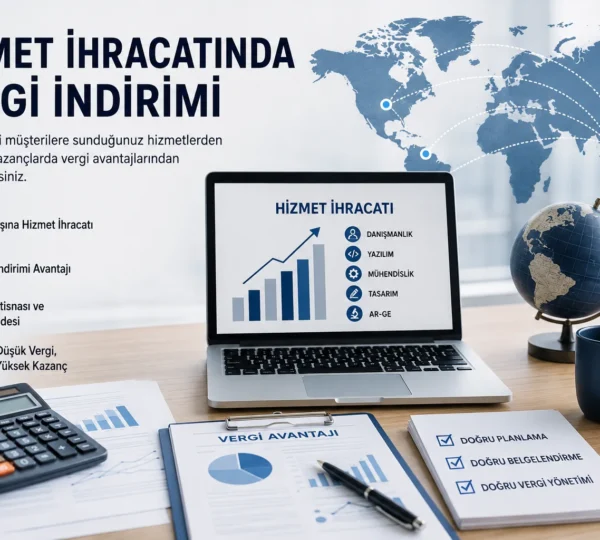
A qualified Turkish CPA can help businesses understand their tax obligations and manage tax compliance efficiently. This may include tax planning, corporate income tax, VAT, withholding tax, and other applicable taxes.
Depending on the nature of the business, professional tax planning may also involve identifying applicable deductions, incentives, exemptions, and international tax considerations. For a broader overview of the Turkish tax system, see our guide to taxation in Turkey.
A Turkish CPA can also support investors during the establishment and early stages of a business in Turkey. This may include accounting setup, tax registration, statutory accounting arrangements, and ongoing compliance.
For investors establishing a new business, our Company Registration in Turkey guide explains the main steps involved in setting up a company.
For ongoing operations, businesses may also benefit from professional accounting services in Turkey covering bookkeeping, tax compliance, financial reporting, and related accounting requirements.
A professional Turkish CPA can provide a wide range of accounting, tax, payroll, financial reporting, and compliance services for businesses operating in Turkey. For foreign-owned companies, working with a CPA who understands international business requirements can also simplify communication with Turkish authorities and help ensure ongoing compliance.
Turkish CPA firms help businesses maintain accurate and up-to-date accounting records in accordance with Turkish requirements. Services may include recording business transactions, managing invoices and expenses, account reconciliation, maintaining statutory books, and preparing periodic financial reports.
For businesses looking for dedicated accounting and bookkeeping services in Turkey, professional support can help maintain accurate records and ensure that accounting obligations are handled on time.
VAT (KDV) is an important part of the Turkish tax system. Depending on the nature of the business and its transactions, a CPA may calculate VAT, prepare periodic VAT declarations, and monitor related compliance requirements.
You can learn more about VAT in Turkey and the obligations that may apply to businesses operating in the country.
Turkish companies may be subject to corporate income tax on their taxable profits. A Turkish CPA can assist with calculating taxable income, preparing corporate tax returns, maintaining supporting accounting records, and applying applicable deductions or tax incentives.
Our guide to Corporate Gains Tax in Turkey provides further information about corporate taxation.
Payroll involves salary calculations, withholding taxes, social security contributions, employee registrations, and periodic declarations. A Turkish CPA can coordinate payroll accounting and work together with HR specialists to ensure that employment-related obligations are properly managed.
Businesses can also review our Payroll Services in Turkey and HR and Payroll Services in Turkey for Foreign Companies for more information.
Turkish CPA firms can prepare financial statements and management reports based on the applicable accounting framework. Where required by the company, group, investors, or reporting arrangements, additional reporting may be prepared in accordance with IFRS (International Financial Reporting Standards).
Financial reporting can include balance sheets, income statements, cash flow statements, and other financial information required for management, shareholders, banks, or investors.
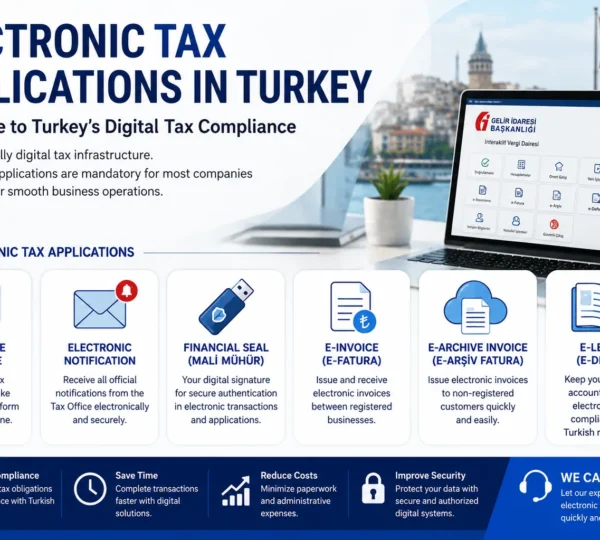
Turkey’s tax administration uses a range of electronic systems for tax and accounting processes. Depending on the taxpayer and applicable requirements, businesses may need to use systems such as:
A Turkish CPA can help businesses determine applicable requirements and manage ongoing digital compliance. See our guide to Electronic Tax Applications in Turkey for further information.
In addition to payroll accounting, businesses may need support with employee onboarding, termination procedures, social security registrations, and other employment-related compliance matters.
For companies employing staff in Turkey, our guides on Social Security Registration in Turkey and the Turkish Social Security System provide further information.
Turkish companies may require professional accounting support for annual or extraordinary General Assembly procedures. A CPA can assist with preparing financial statements, shareholder documentation, and accounting information required for the meeting.
Depending on the corporate action, additional support may be required for:
For example, businesses planning a capital increase in Turkey may require accounting and financial support as part of the process.
Beyond routine accounting and tax filings, an experienced Turkish CPA can provide financial and tax advisory services based on the company’s activities, structure, and objectives.
This may include tax planning, assessment of applicable incentives and exemptions, financial analysis, and support with domestic and international tax matters. For broader advisory support, see our Tax Consulting in Turkey services.
The cost of hiring a Turkish CPA in Turkey depends on the scope of services, company size, transaction volume, number of employees, business activity, and the complexity of the company’s accounting and tax requirements.
For foreign-owned businesses, the cost may also vary depending on factors such as international reporting requirements, foreign employees, cross-border transactions, and the level of tax and financial advisory support required.
Most businesses work with a Turkish CPA on an ongoing basis through a monthly service agreement. The monthly fee typically depends on the volume and complexity of the work involved.
Common factors affecting monthly CPA fees include:
A small company with limited transactions and no or few employees will generally require less accounting support than an established company with significant transaction volume, payroll, international operations, or complex reporting requirements.
Monthly accounting services do not necessarily cover every corporate or advisory procedure. Depending on the engagement, additional fees may apply for specific projects or one-time services, such as:
Before engaging a CPA, it is advisable to request a written proposal clearly specifying the services included in the monthly fee and any services charged separately.
When comparing CPA proposals, businesses should look beyond the monthly price and check exactly what is included.
Depending on the agreement, a professional Turkish CPA service package may include:
Businesses with more complex requirements may need a broader accounting and bookkeeping service package or separate tax advisory support.
The CPA’s professional fee may not cover all costs associated with operating a company in Turkey. Depending on the transaction, businesses may also need to budget for:
For businesses that need broader accounting support, accounting services in Turkey can cover requirements beyond routine bookkeeping.
The cheapest CPA is not necessarily the most cost-effective option. When comparing proposals, consider:
A reliable Turkish CPA should provide a transparent fee structure that allows you to understand both the recurring costs and any potential additional charges before you begin the engagement.
Choosing the right Turkish CPA is not simply a matter of finding someone to maintain your accounting records. Your CPA can become an important part of your business’s financial and compliance structure, particularly if you are a foreign investor or operate an international business in Turkey.
A qualified and experienced CPA can help you maintain accurate accounting records, meet tax and reporting deadlines, manage payroll and social security obligations, and identify potential financial or tax risks before they become costly problems.
The right CPA should also understand your business model, ownership structure, industry, and long-term objectives. This is particularly important for foreign-owned companies dealing with international transactions, foreign employees, cross-border taxation, or group reporting requirements.
Errors in accounting records, tax declarations, payroll calculations, or statutory reporting can create financial and administrative risks. An experienced CPA helps establish reliable accounting processes and ensures that required filings and records are handled accurately and on time.
For companies operating in Turkey, this may include tax compliance and advisory services covering applicable taxes and reporting obligations.
Foreign-owned companies may face accounting and tax considerations that are less common for purely domestic businesses. These can include cross-border transactions, foreign shareholders, double taxation issues, international reporting, and transactions between related companies.
A CPA with experience working with international businesses can help identify these issues and coordinate the necessary accounting and tax processes. Where relevant, businesses may also need to consider double tax treaty regulations in Turkey.
A CPA may have access to sensitive financial information and will often be involved in important business decisions. Clear and timely communication is therefore essential.
Foreign investors should consider whether the CPA or accounting firm can communicate effectively in English and explain Turkish accounting and tax requirements in a way that international management teams can understand.
Modern accounting in Turkey increasingly depends on electronic tax and accounting systems. Your CPA should be able to work effectively with systems such as e-Invoice, e-Ledger, and other electronic applications.
Businesses should also consider whether their CPA can provide efficient digital communication, document management, and remote accounting support.
A good CPA should do more than process historical transactions. Depending on the engagement, they can help identify tax implications, financial risks, applicable incentives, and opportunities to improve accounting and financial processes.
For businesses requiring broader professional support, tax consulting in Turkey can complement routine accounting and compliance services.
Your accounting requirements may change as your business grows. You may add employees, expand into new markets, establish additional entities, change your ownership structure, or undertake new types of transactions.
Choosing a CPA who can support these changing requirements can reduce the need to change service providers as your business develops.
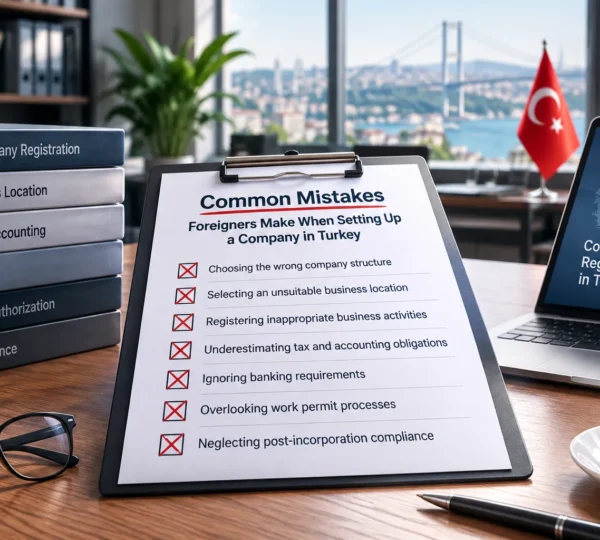
Choosing the right Turkish CPA is an important decision for foreign investors and international businesses operating in Turkey. However, many businesses make avoidable mistakes when selecting a CPA, often focusing only on price while overlooking experience, qualifications, industry knowledge, communication, and international business expertise.
A good Turkish CPA should do more than maintain accounting records and prepare tax filings. The right professional should understand your business, explain Turkish accounting and tax requirements clearly, and provide reliable support with ongoing compliance.
One of the most common mistakes is assuming that any licensed CPA in Turkey will have the same experience, expertise, and service capabilities.
Turkish CPAs can have very different professional backgrounds. Some primarily serve local small businesses, while others work extensively with international companies, foreign shareholders, technology businesses, e-commerce companies, or multinational groups.
How to Avoid This Mistake: Ask potential CPAs about their experience with businesses similar to yours. If you are a foreign investor, ask specifically about their experience with foreign-owned companies, international transactions, and cross-border tax matters.
For international businesses, professional qualifications are only part of the equation. Effective communication is equally important.
If your management team does not speak Turkish, your CPA should be able to explain accounting and tax matters clearly in English or another appropriate working language. Poor communication can result in misunderstandings, missed deadlines, or difficulty responding to requests from the Tax Office or Social Security Institution.
How to Avoid This Mistake: Before engaging a CPA, confirm the firm’s working languages, communication channels, response times, and experience supporting international management teams.
Price is an important consideration, but choosing the cheapest CPA can create problems if the service scope, responsiveness, or expertise is insufficient.
CPA fees can vary depending on transaction volume, number of employees, industry, reporting requirements, and the level of advisory support required. A low monthly fee may also exclude services that you later discover you need.
How to Avoid This Mistake: Compare proposals based on scope of services, experience, availability, communication, and total cost, rather than looking only at the monthly fee.
Before signing an agreement, ask which services are included in the monthly fee and which services are charged separately.
Accounting requirements can differ significantly between industries. A CPA experienced in serving a local retail business may not necessarily have the same expertise required by an international technology company, e-commerce business, manufacturer, or construction company.
Depending on your business, you may need experience with:
How to Avoid This Mistake: Ask the CPA whether they currently work with companies operating in your industry and whether they have experience with your specific business model.
Before engaging a CPA, businesses should verify the professional’s credentials and registration.
You can verify relevant professional information through TÜRMOB and the appropriate local Chamber of Certified Public Accountants. For businesses working with a CPA in Istanbul, İSMMMO is the relevant professional chamber.
How to Avoid This Mistake: Ask for evidence of professional registration and verify the CPA’s credentials before signing a long-term engagement.
Another common mistake is assuming that every CPA provides the same range of services.
Depending on the firm, services may include:
Some businesses may also need support with company registration in Turkey or ongoing corporate procedures.
How to Avoid This Mistake: Before signing an agreement, request a written description of the services included, additional fees, expected response times, and procedures for handling urgent matters.
Accounting and tax compliance in Turkey increasingly rely on electronic systems. A CPA who lacks appropriate digital infrastructure may make it more difficult to manage electronic documents, filings, and accounting information efficiently.
Businesses should consider whether their CPA can work with:
For more information, see our guide to electronic tax applications in Turkey.
How to Avoid This Mistake: Ask what accounting software and digital systems the CPA uses and how documents, approvals, and communication will be handled remotely.
Technical expertise is important, but the working relationship also matters. Your CPA may handle sensitive financial information and become involved in important business decisions.
You should feel comfortable asking questions, discussing financial issues, and requesting clarification when something is unclear.
How to Avoid This Mistake: Before making a decision, speak with the CPA or accounting team. Consider how clearly they explain complex matters, how quickly they respond, and whether they demonstrate an understanding of your business objectives.
Choosing the wrong CPA can result in poor communication, inadequate financial reporting, missed compliance requirements, unnecessary costs, and difficulties as your business grows.
For foreign investors, these risks can be even greater when the CPA lacks experience with international businesses or does not communicate effectively in the company’s working language.
Taking the time to evaluate experience, credentials, service scope, technology, communication, and pricing can help you choose a Turkish CPA that is better suited to your business.
Even after choosing a qualified Turkish CPA, your business needs may change over time. As your company grows, enters new markets, hires employees, or becomes more complex, your accounting and tax requirements may also evolve.
If your current CPA no longer provides the level of expertise, communication, availability, or support your business requires, changing your CPA may be the right decision.
Here are the signs it’s time to change your CPA:
Repeated errors in accounting records, tax declarations, payroll, or statutory filings are a serious warning sign. Missed deadlines can result in penalties, interest, and unnecessary administrative problems.
If your CPA regularly makes mistakes or fails to address compliance issues promptly, it may be time to consider another professional.
Your CPA should be accessible when important accounting or tax matters arise.
If your CPA is difficult to reach, does not explain important issues clearly, or fails to inform you about regulatory changes affecting your business, the relationship may no longer be working effectively.
For foreign-owned businesses, communication is particularly important when dealing with Turkish tax and accounting requirements.
A CPA should not simply record transactions and submit tax returns.
Depending on the scope of the engagement, your CPA should also be able to identify potential tax issues, explain the financial consequences of business decisions, and highlight relevant opportunities or risks.
If your CPA only reacts after a problem occurs and rarely provides forward-looking guidance, it may be time to reassess your relationship.
Modern accounting in Turkey relies heavily on digital systems.
If your CPA struggles with e-Invoice, e-Ledger, e-Archive, electronic filings, or digital document management, this can create unnecessary operational risks and inefficiencies.
You can learn more about electronic tax applications in Turkey and the digital systems used for accounting and tax compliance.
Your accounting requirements may become more complex as your business grows.
For example, you may:
If your current CPA does not have the resources or experience to support these changes, it may be time to find a CPA with broader capabilities.
CPA fees can naturally change as the scope and complexity of your business increase. However, significant fee increases should be accompanied by a corresponding change in services, workload, or level of support.
If you are paying substantially more without receiving additional value, review the scope of your engagement and compare alternative providers.
Trust is essential when working with a CPA because the professional may have access to sensitive financial information and play an important role in your company’s tax and accounting compliance.
If you are concerned about inaccurate reporting, inappropriate tax practices, confidentiality, or other professional conduct issues, address the matter promptly and consider seeking independent professional advice.
There is no universal “best time” to change a CPA. In general, it is better to plan the transition carefully rather than wait until an urgent compliance problem occurs.
Before changing your CPA, review your existing engagement agreement, identify upcoming tax and reporting deadlines, and make sure your accounting records and statutory documents can be transferred properly.
The next section explains how to change your CPA in Turkey smoothly and minimize disruption to your business.
Changing your Turkish CPA does not have to disrupt your business operations. With proper planning and a structured handover process, you can transfer your accounting and tax responsibilities to a new CPA while minimizing delays, missing documents, or compliance issues.
Before changing your CPA, it is important to plan the transition carefully and ensure that your new accountant has access to the information and records required to take over your company’s accounting and tax processes.
Before terminating your current CPA relationship, review your engagement agreement and check the applicable notice periods, termination conditions, outstanding fees, and responsibilities of both parties.
You should also identify any upcoming tax filing deadlines, payroll periods, General Assembly procedures, or other important accounting obligations that may be affected by the transition.
Choose your new CPA before completing the handover whenever possible. This allows the incoming CPA to review your company’s situation and prepare for the transfer.
For foreign-owned businesses, consider whether the new CPA has experience with:
A properly selected CPA can make the transition significantly easier and reduce the risk of interruptions to your accounting and compliance processes.
Your new CPA will generally need access to the accounting and corporate information necessary to continue the company’s work.
Depending on your company’s circumstances, this may include:
For companies with employees, it is particularly important to ensure that payroll and social security information is transferred correctly. See our HR and Payroll Services in Turkey for Foreign Companies guide for further information.
Modern accounting in Turkey involves several electronic systems and digital processes. During the transition, make sure that the necessary access, authorizations, certificates, and digital records are properly reviewed and transferred or updated where required.
This may involve systems related to:
The exact requirements can depend on the company’s existing arrangements and the authorizations granted to the previous CPA.
Our guide to Electronic Tax Applications in Turkey provides additional information about Turkey’s digital tax and accounting systems.
Before completing the transition, ask the outgoing CPA and the new CPA to identify any unresolved matters.
These may include:
Identifying these issues before the handover allows the new CPA to prioritize them and reduces the risk of problems being overlooked.
It is advisable to maintain a written record of the information and documents transferred between the outgoing and incoming CPA.
A simple handover checklist can include:
This provides a clear record of the transition and helps both the company and the new CPA establish responsibility from the beginning of the new engagement.
One of the most important practical considerations is avoiding a period in which nobody is clearly responsible for the company’s accounting and tax obligations.
Ideally, the new CPA should be ready to take over before the previous engagement ends. This is particularly important when tax declarations, payroll, social security filings, or other statutory deadlines are approaching.
A properly coordinated transition allows the new CPA to continue the company’s accounting and compliance processes without unnecessary interruption.
Before completing the change, make sure that:
Changing your Turkish CPA can be a straightforward process when the transition is properly planned. The key is to treat the change as a structured handover rather than simply ending one accounting relationship and starting another.
Choosing the right Turkish CPA is an important decision for foreign investors and international businesses operating in Turkey. The right professional should not only handle accounting and tax compliance but also understand your business model, communicate clearly, and provide reliable ongoing support.
Before engaging a CPA, verify that the professional is properly registered and authorized to provide CPA services in Turkey.
You can check relevant professional information through TÜRMOB and the appropriate local Chamber of Certified Public Accountants.
For businesses working with a CPA in Istanbul, İSMMMO is the relevant professional chamber.
Experience with international businesses can be particularly valuable for foreign investors.
A CPA working with foreign-owned companies should understand issues that may arise from:
Ask potential CPAs whether they currently work with companies that have a similar ownership structure and business model to yours.
Not every CPA offers the same range of services. Before signing an engagement agreement, clearly establish what is included.
Depending on your requirements, you may need:
If your business requires broader support, you may also need accounting and bookkeeping services in Turkey in addition to routine CPA services.
For international businesses, communication is a critical part of the CPA relationship.
Your CPA should be able to explain Turkish accounting and tax requirements clearly and provide documentation and explanations that your management team can understand.
If English is your company’s working language, confirm that the CPA or accounting firm can communicate effectively in English before starting the engagement.
Accounting and tax compliance in Turkey increasingly depend on electronic systems.
Your CPA should be comfortable working with systems such as:
You should also ask how the firm manages documents, approvals, digital communication, and remote accounting.
Do not compare CPA firms based solely on their monthly fee.
Ask for a clear proposal showing:
A transparent fee structure helps prevent unexpected costs after the engagement begins.
Accounting and tax issues sometimes require immediate attention, particularly when a business receives a request from the Tax Office or Social Security Institution.
Before choosing a CPA, ask:
Responsiveness can be just as important as technical expertise.
Your accounting requirements may change as your business grows.
For example, you may later:
A CPA who can support these changes can provide greater long-term value than a provider focused only on your current requirements.
Before making your decision, consider asking the following questions:
The best Turkish CPA is not necessarily the cheapest provider. For foreign investors, the most important factors are usually professional qualifications, international business experience, service scope, communication, technology, responsiveness, and transparent pricing.
Taking the time to evaluate these factors before signing an engagement can help you establish a more reliable accounting and tax structure for your business in Turkey.
Selecting the right Turkish CPA is an important business decision for foreign investors and companies operating in Turkey. The right CPA can help your business manage accounting and tax compliance, maintain accurate financial records, meet reporting obligations, and receive reliable professional support when dealing with Turkish authorities.
When your business grows or your requirements change, having a structured process for changing your CPA can also help protect your business from compliance gaps and operational disruptions.
By carefully evaluating professional qualifications, international business experience, communication, technology, service scope, and pricing, you can choose a Turkish CPA who is well suited to your business and can support your long-term operations in Turkey.
At A&M Consulting Co., we provide professional Turkish CPA, accounting, tax, payroll, and financial advisory services to local and international businesses operating in Turkey.
As a licensed accounting firm working with professionals registered with TÜRMOB and İSMMMO, we combine technical expertise with practical guidance to help businesses manage their accounting and tax obligations efficiently and in compliance with Turkish regulations.
Our services can support businesses throughout their operations in Turkey, from accounting and tax compliance to payroll, social security, corporate procedures, and broader financial advisory requirements.
DISCOVER OUR SERVICES:
You can reach out to our experienced consultans via email or by filling out the Contact Form on our website’s contact page
A Turkish CPA, known as a Serbest Muhasebeci Mali Müşavir (SMMM) in Turkey, is a licensed accounting and tax professional who provides accounting, tax compliance, financial reporting, payroll, and related professional services.
Foreign-owned companies operating in Turkey generally require professional accounting and tax support to manage their accounting records, tax filings, financial reporting, and other statutory obligations. The exact requirements depend on the company’s structure and activities.
A Turkish CPA may provide bookkeeping, tax return preparation, VAT and withholding tax compliance, payroll and social security support, financial reporting, e-Invoice and e-Ledger compliance, and tax and financial advisory services.
The cost of hiring a Turkish CPA depends on factors such as transaction volume, number of employees, business activity, international transactions, reporting requirements, and the scope of services included in the engagement.
Yes. Depending on the engagement, a Turkish CPA or accounting firm can provide payroll accounting and support with Social Security Institution (SGK) obligations, employee registrations, payroll calculations, and related declarations.
SMMM (Serbest Muhasebeci Mali Müşavir) and YMM (Yeminli Mali Müşavir) are different professional categories within Turkey’s accounting and tax profession. An SMMM generally provides accounting, bookkeeping, tax compliance, and related professional services, while a YMM has additional authority for certain certification and tax-related functions.
Yes. A Turkish CPA can assist with VAT (KDV) calculations, VAT declarations, accounting records, and related compliance requirements, depending on the scope of the engagement.
Yes. Depending on the company’s obligations, a Turkish CPA can assist with E-Invoice (e-Fatura), E-Archive (e-Arşiv), E-Ledger (e-Defter), and other electronic tax and accounting requirements.
Yes. A Turkish CPA can prepare financial statements and other accounting reports in accordance with the applicable accounting requirements. Additional reporting may be required depending on the company’s investors, group structure, banks, or reporting framework.
The timeframe depends on the company’s accounting records, outstanding matters, the cooperation of the outgoing CPA, and the transfer of relevant documents and authorizations. It is advisable to coordinate the transition before important tax, payroll, or reporting deadlines.
Consider the CPA’s professional credentials, experience with foreign-owned businesses, industry knowledge, service scope, English-language communication, digital capabilities, responsiveness, and fee structure.
Not necessarily. The cheapest CPA may not provide the level of expertise, responsiveness, or service coverage your business requires. It is better to compare experience, scope of services, communication, availability, and total cost rather than monthly fees alone.
Depending on their expertise and the scope of the engagement, a Turkish CPA can assist with accounting and tax considerations related to international transactions, foreign shareholders, cross-border payments, and other international business activities.
Yes. Depending on the professional’s expertise and engagement scope, a Turkish CPA can provide tax compliance and advisory support concerning the company’s activities, transactions, and applicable tax requirements.
The required documents depend on the company’s circumstances and services requested. They may include corporate registration documents, accounting records, invoices, bank information, payroll records, tax information, and relevant electronic accounting records.
A Turkish CPA familiar with international businesses can help foreign investors understand Turkish accounting and tax requirements, maintain proper records, meet compliance deadlines, manage payroll and social security obligations, and communicate more effectively with local authorities.
Choosing the right Turkish CPA can be an important decision, especially for foreign investors and international businesses operating in Turkey.
If you have questions about accounting, taxation, payroll, compliance, or the services your business may require in Turkey, our experienced team is here to help.
CONTACT A&M Consulting Co. today to discuss your requirements and find the right accounting and tax solution for your business in Turkey.
Abdullah Mercanlı is the Co-Founder of A&M Consulting Co. and has more than 20 years of professional experience in accounting, taxation, finance, payroll, and social security. He supports international businesses and foreign investors with tax compliance, company formation, and business operations in Turkey.
Registered member of ISMMMO · Registration No. 50555

WhatsApp Us